
recommend
 Infrastructure Steel Solutions: Choosing the Right Products for Bridges and Roads
 What Buyers Should Know About International Steel Trade Risks and Supply Stability
 Carbon Steel Grades Explained: How to Match Strength, Weldability, and Cost
 How to Evaluate One-Stop Steel Solutions for Multi-Phase Construction Projects
Send Us A Message
Why Infrastructure Steel Solutions Must Match Real Project Conditions
Choosing suitable Infrastructure Steel Solutions affects more than structural strength. It also shapes installation speed, compliance, maintenance cycles, and how reliably a bridge or road project moves from design to service.
In practice, steel selection rarely fails because one product is poor on paper. Problems usually appear when materials, coating systems, fabrication methods, and delivery plans do not match site conditions.
A coastal bridge, an urban overpass, and a heavy-haul road corridor may all specify steel. Yet their exposure, fatigue demands, and construction constraints are not the same.
That is why Infrastructure Steel Solutions should be judged as an application decision, not only a procurement line item. Product fit matters as much as nominal grade.
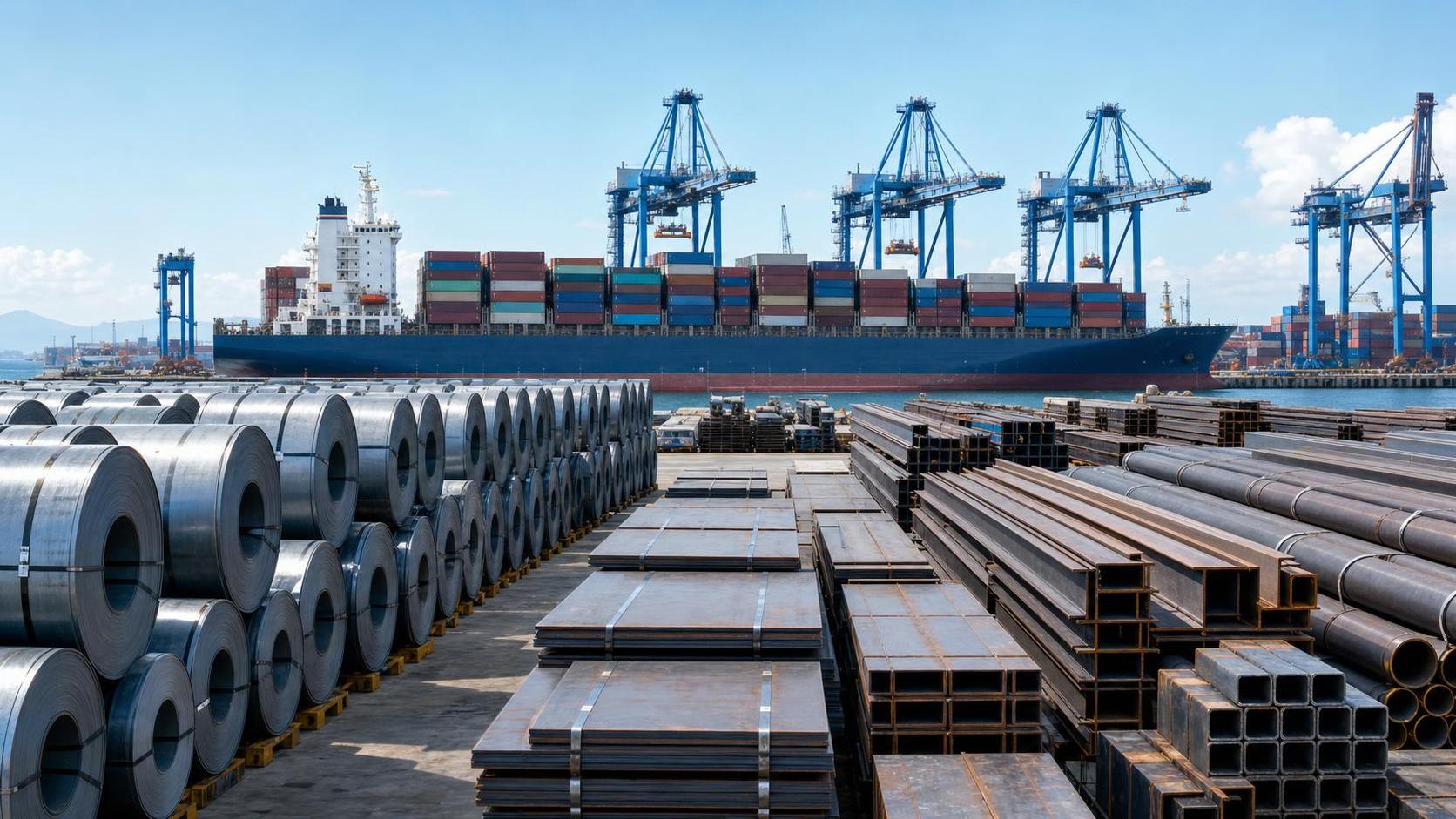
With global infrastructure demand rising, supply coordination has also become part of technical selection. Jiangsu Yuangeng Metal Technology Co., Ltd. works within this reality, linking Chinese steel capacity with overseas projects that need dependable, one-stop steel support.
The Same Steel Category Can Behave Differently Across Bridge and Road Work
Different scenarios create different stress patterns. A bridge deck support member sees repeated load cycles, while roadside guard structures may face impact risk, weather exposure, and easier replacement requirements.
Road infrastructure also varies more than many teams expect. Elevated sections, drainage zones, culvert crossings, retaining structures, and barrier systems each place different demands on Infrastructure Steel Solutions.
A useful starting point is to ask four questions before comparing products:
- Will the steel carry primary structural loads or support secondary systems?
- Is corrosion the main threat, or is fatigue more critical?
- Does the project need rapid erection with controlled fabrication tolerances?
- Will replacement and inspection access remain practical after commissioning?
These questions often narrow the field faster than reviewing catalog specifications alone. They also help distinguish where standard sections work well and where custom processing is worth the effort.
Bridge Structures Usually Demand More Than High Strength Alone
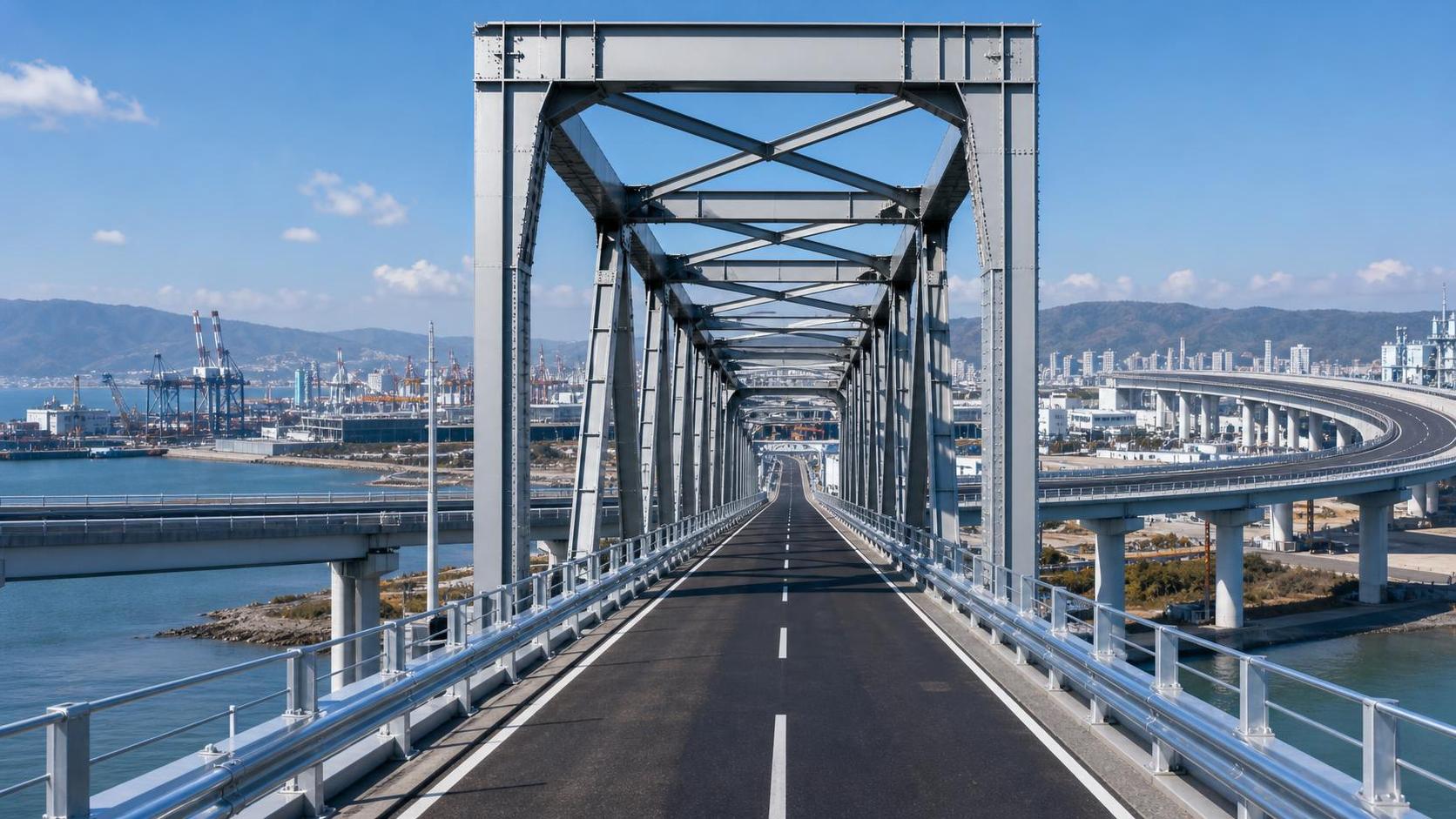
For bridges, Infrastructure Steel Solutions are often selected under pressure to reduce weight while preserving stiffness and long-term durability. That tradeoff is rarely solved by strength grade alone.
Plate steel, H-beams, box sections, and fabricated girders may all be viable. The right choice depends on span configuration, welding complexity, transportation limits, and expected fatigue loading.
In river crossings or coastal zones, corrosion resistance becomes inseparable from structural design. Protective systems, galvanizing suitability, coating compatibility, and surface preparation standards should be reviewed early.
Another common issue is toughness at low temperatures. In colder regions, Infrastructure Steel Solutions must maintain stable performance under seasonal variation, especially for critical welded bridge members.
Where bridge projects often go wrong
A frequent misjudgment is assuming two bridge projects with similar spans can use the same steel package. Fabrication sequence, weld detail category, and inspection requirements may make that assumption expensive.
Another mistake is focusing on initial tonnage price while overlooking coating renewal costs and shutdown risk later. For bridge assets, lifecycle cost usually matters more than the lowest delivered rate.
Road Corridors and Highway Systems Need Balanced, Practical Steel Selection
Road projects often involve more varied steel applications than expected. Infrastructure Steel Solutions may include guardrails, sign supports, drainage grates, culvert components, retaining elements, and structural members for elevated sections.
In these situations, the best product is not always the most advanced one. It is usually the one that balances durability, standardization, installation speed, and replacement convenience.
For roadside systems, galvanizing quality and dimensional consistency often matter more than premium strength levels. The products must fit quickly, align correctly, and hold performance under weather and impact exposure.
For elevated road structures, the focus shifts. Load transfer, fatigue resistance, weldability, and section stability start to dominate the selection of Infrastructure Steel Solutions.
Urban roads versus heavy-haul routes
Urban road work usually faces tight construction windows, utility conflicts, and strict noise controls. Prefabricated steel elements can reduce site disruption when tolerances are well managed.
Heavy-haul routes face a different reality. Repeated axle loads, vibration, and abrasion increase the need for tougher materials, more robust detailing, and inspection-friendly connections.
Different Scenarios Change the Selection Priorities
A direct comparison helps clarify why Infrastructure Steel Solutions cannot be chosen through a single checklist. The key priorities move with the application.
This comparison shows a practical truth. Stronger material is not automatically better if the real bottleneck is corrosion control, fabrication tolerance, or future maintenance access.
How to Judge Infrastructure Steel Solutions Before Orders Are Fixed
At pre-order stage, decisions should connect engineering intent with manufacturing reality. This is where many infrastructure teams gain or lose schedule certainty.
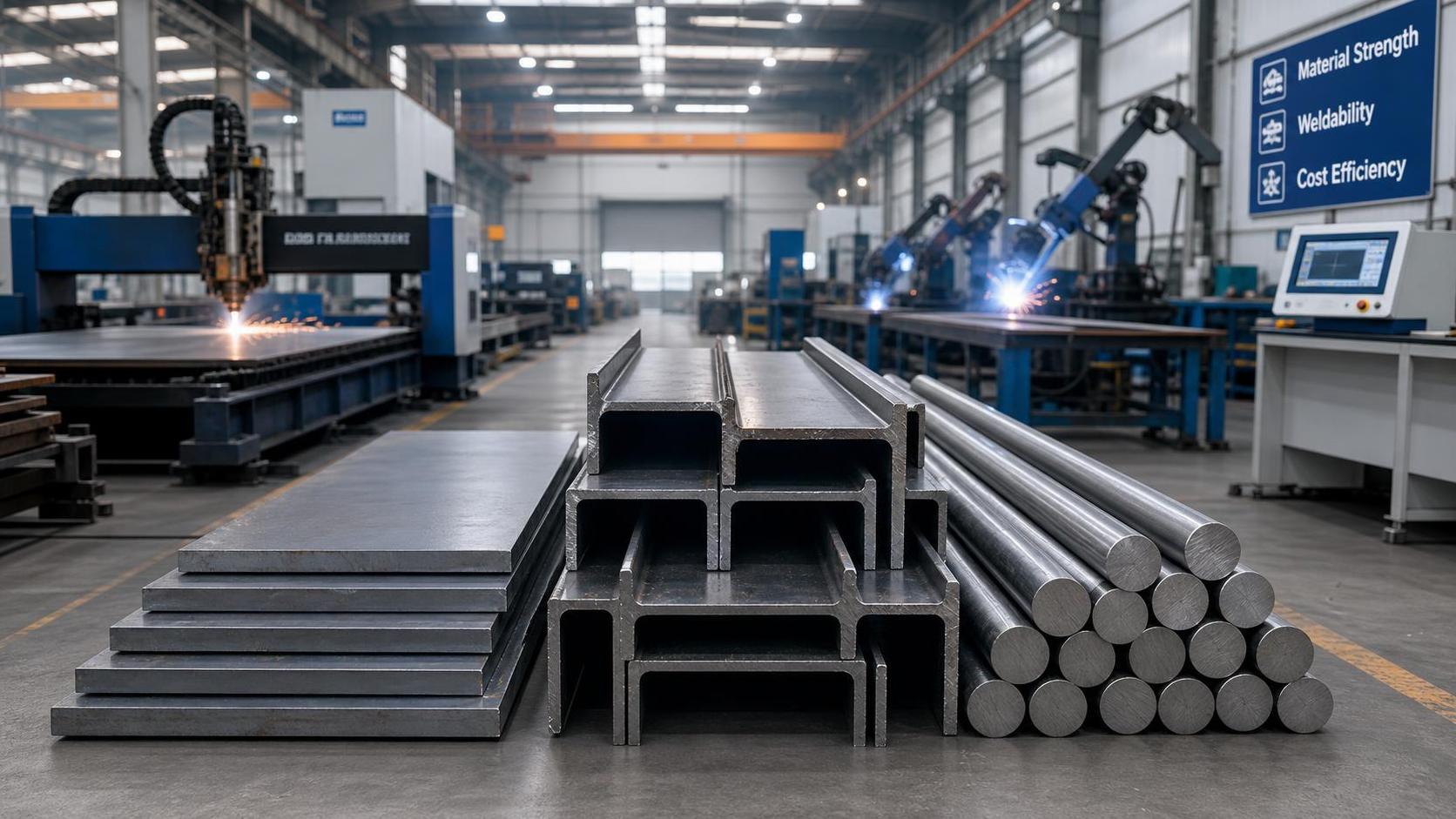
A practical review usually includes product form, grade, corrosion protection, processing route, test documentation, and supply continuity. Leaving any one of these to later can create rework.
- Confirm whether the project needs plate, section steel, hollow sections, reprocessed components, or a combined package.
- Check standard alignment early, especially when local codes differ from export documentation norms.
- Review welding, bending, cutting, and drilling requirements before finalizing grade and thickness.
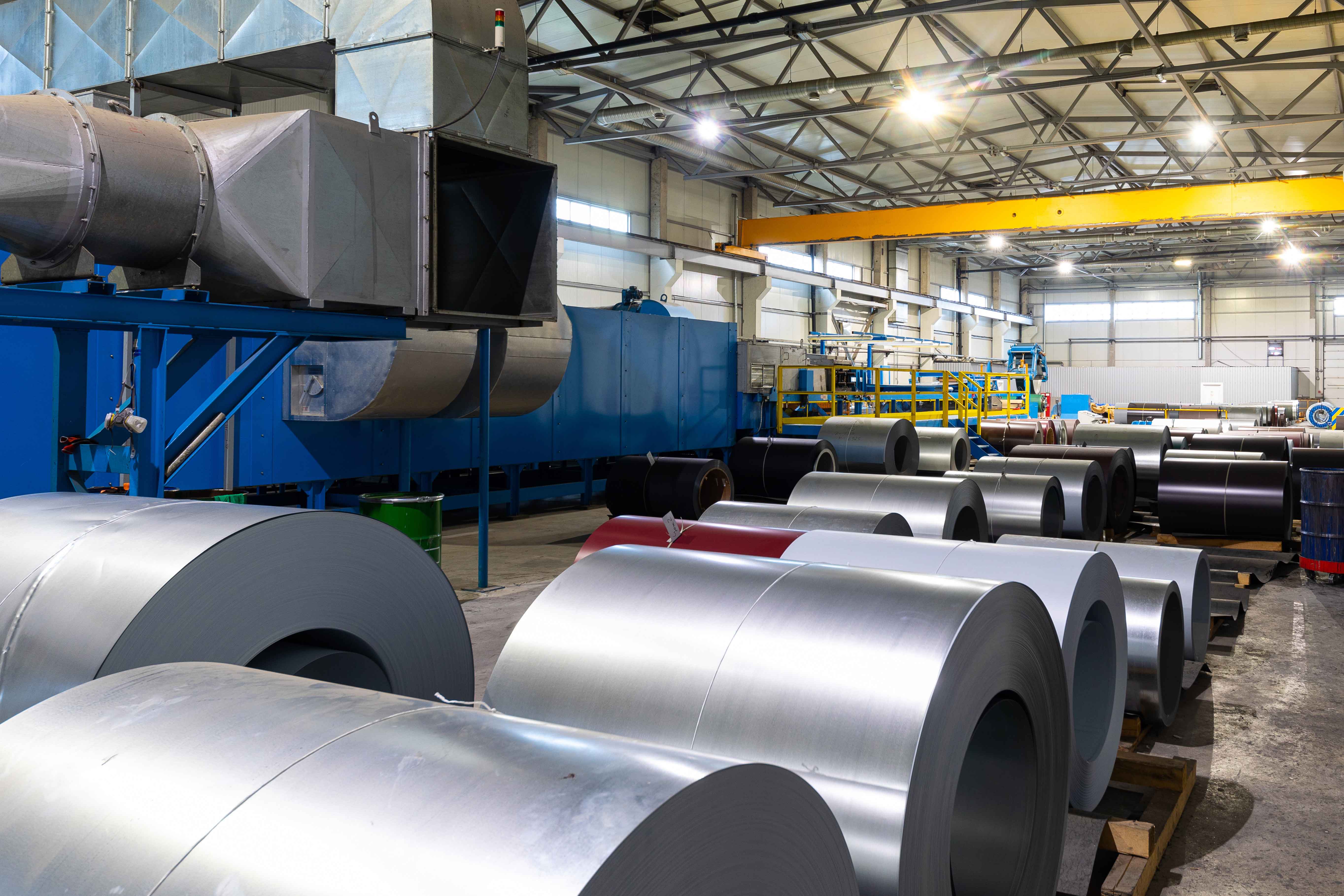
- Match coating strategy to transport, storage, and site installation timing.
- Plan around delivery batches so installation sequences do not stall.
For international projects, integrated sourcing can simplify this process. When supply, processing, and export coordination are managed together, Infrastructure Steel Solutions become easier to standardize and track.
What Is Often Missed When Comparing Similar Products
Some of the most costly errors come from treating similar-looking products as interchangeable. Two steel options may meet a strength requirement while differing greatly in weldability, toughness, or coating behavior.
Another overlooked issue is fabrication availability. A theoretically suitable material can still disrupt the project if local processing capacity, inspection routines, or delivery packaging are not aligned.
In actual infrastructure work, Infrastructure Steel Solutions should be screened against the whole chain. Design approval, mill documentation, fabrication control, shipping protection, and installation conditions all affect final performance.
This is where experienced steel trading and coordination support adds value. It helps connect product availability with application fit, rather than leaving technical and logistical decisions separated.
A More Reliable Next Step for Bridges and Roads
The most effective Infrastructure Steel Solutions come from matching steel products to the real exposure, load pattern, construction method, and maintenance plan of each asset.
For bridges, that usually means looking beyond strength to fatigue detail, corrosion protection, and fabrication quality. For roads, the better decision often depends on standardization, speed of installation, and replacement practicality.
Before final selection, it is worth mapping the exact application conditions, checking the governing standards, comparing lifecycle implications, and confirming supply-chain feasibility at the same time.
That approach makes Infrastructure Steel Solutions more consistent with project reality. It also reduces the risk of choosing materials that look compliant initially but underperform in service or complicate delivery later.
A well-structured review of steel type, processing needs, coating system, schedule constraints, and maintenance exposure is usually the clearest next move before specification or sourcing is locked in.